
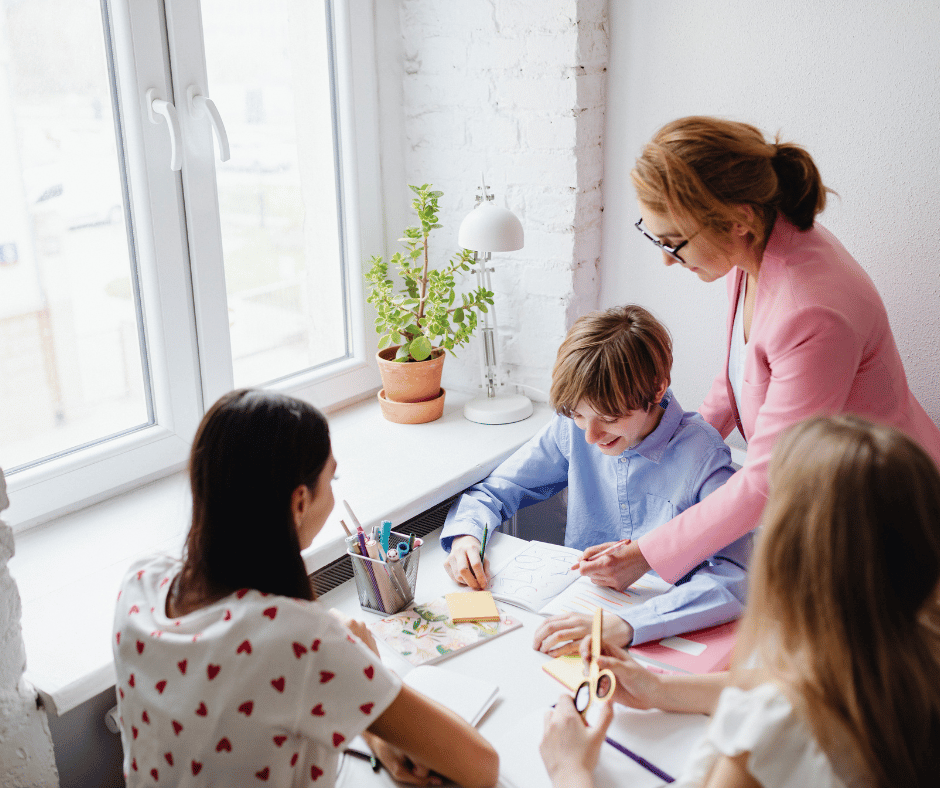
A truly healthy home is more than clean water and pure air. It is also shaped by daily behaviors, emotional safety, and the habits children learn inside its walls. While environmental health protects the body, social habits protect the heart and mind. That’s why many families now complement a clean living environment with structured programs like youth etiquette classes to help children develop respect, responsibility, and confidence from an early age. When physical wellness and personal character grow together, families thrive.
The Home as a Child’s First Health Classroom
Children learn far more at home than they ever will from a textbook. Long before school lessons begin, kids absorb:
-
How people speak to one another
-
How conflict is handled
-
How responsibility is modeled
-
How gratitude and respect are expressed
-
How routines are followed
Just as clean air supports lung development and safe water supports physical health, respectful routines support emotional stability. A home free of toxins but full of chaos still creates stress on a developing child.
Why Respect and Responsibility Are Health Skills
Modern health science continues to show that emotional well-being is deeply tied to physical outcomes. Children who grow up in stable, respectful environments are more likely to experience:
-
Lower stress levels
-
Better emotional regulation
-
Stronger immune response
-
Higher academic performance
-
Better long-term relationship success
Respect and responsibility are not soft traits — they are core life skills that influence everything from mental health to future leadership potential.
How Daily Habits Shape Long-Term Character
Children do not learn responsibility through lectures. They learn it through consistent exposure to small, repeatable habits.
Respect in Daily Interactions
-
Saying “please” and “thank you”
-
Listening without interrupting
-
Speaking calmly during frustration
-
Acknowledging others’ feelings
Responsibility Through Routine
-
Completing chores
-
Managing personal belongings
-
Following schedules
-
Owning mistakes
These micro-habits compound over time, shaping how children interact with teachers, peers, future employers, and their own families.
The Connection Between Environmental Wellness and Social Wellness
Families who prioritize healthy living often focus on:
-
Clean drinking water
-
Indoor air quality
-
Non-toxic materials
-
Allergen reduction
-
Safe home environments
These physical protections reduce sickness and inflammation. But emotional stress, disrespect, and disorder can quietly undermine those same health goals. Chronic emotional tension at home elevates cortisol levels in children, which affects sleep, immunity, and focus.
Healthy homes protect children physically. Healthy habits protect them neurologically and emotionally.
Why Modern Families Face New Challenges Teaching Etiquette
Today’s children grow up in a digital-first world with constant stimulation and shrinking attention spans. This creates unique obstacles:
-
Reduced face-to-face interaction
-
Decreased patience
-
Shortened listening skills
-
More impulsive communication
-
Limited accountability online
Without intentional guidance, children may struggle with basic social navigation: eye contact, respectful disagreement, tone control, and personal boundaries.
Etiquette education today is not about rigidity — it’s about helping children function confidently in an increasingly complex social world.
Teaching Respect as a Form of Emotional Safety
Children who understand social expectations feel safer navigating new environments. They know:
-
How to introduce themselves
-
How to ask for help
-
How to apologize
-
How to handle conflict
-
How to show empathy
These skills reduce anxiety in school, extracurricular activities, and social settings. Emotional safety becomes a stabilizing force that supports both mental and physical health.
Responsibility Builds Self-Worth, Not Pressure
When framed correctly, responsibility empowers children rather than burdens them.
Benefits of Age-Appropriate Responsibility
-
Builds confidence through contribution
-
Teaches cause and effect
-
Creates independence
-
Strengthens family trust
-
Develops leadership instincts
Children who feel useful feel valued. That sense of worth becomes the foundation for long-term mental resilience.
Community Wellness Starts With Youth Behavior
The Ozarks is built on strong families, local trust, and community connection. Children raised with respect and responsibility carry those values into:
-
Classrooms
-
Sports teams
-
Youth programs
-
Churches
-
Neighborhoods
Over time, this shapes the social health of the entire region. Polite, accountable children become respectful teens and responsible adults who sustain community standards.
Clean Living Is a Lifestyle, Not a Single Choice
Just as families do not install air filtration once and forget about it forever, character development is not a one-time lesson. Both require ongoing attention.
Healthy living includes:
-
Environmental protection
-
Emotional regulation
-
Social responsibility
-
Respectful communication
-
Consistent family structure
When these systems align, children gain a stable platform for both physical and emotional development.
Helping Children Thrive in School and Beyond
Teachers consistently report that students who demonstrate respect and responsibility:
-
Learn faster
-
Disrupt less
-
Lead more
-
Handle pressure better
-
Recover from setbacks more easily
These students not only perform better academically but also experience less chronic stress, which directly impacts long-term health.
Final Thoughts: Character Is Part of a Healthy Home
Clean water and fresh air protect a child’s body. Respect, responsibility, and confidence protect their future.
A truly healthy home nurtures both the physical environment and the human environment inside it. When parents invest in daily habits that teach children how to treat others and how to manage themselves, they are not just shaping good manners — they are building emotional resilience, leadership capacity, and lifelong well-being.
Healthy homes create healthy habits. Healthy habits create strong families. And strong families build strong communities.
Leave a Reply